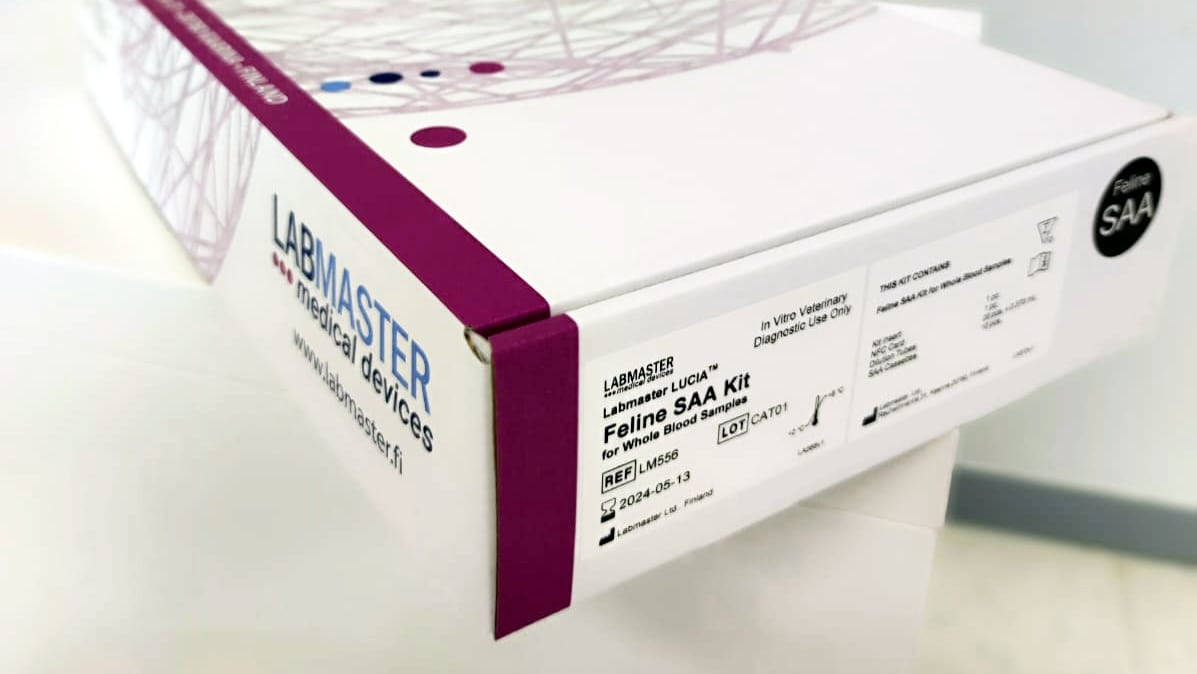
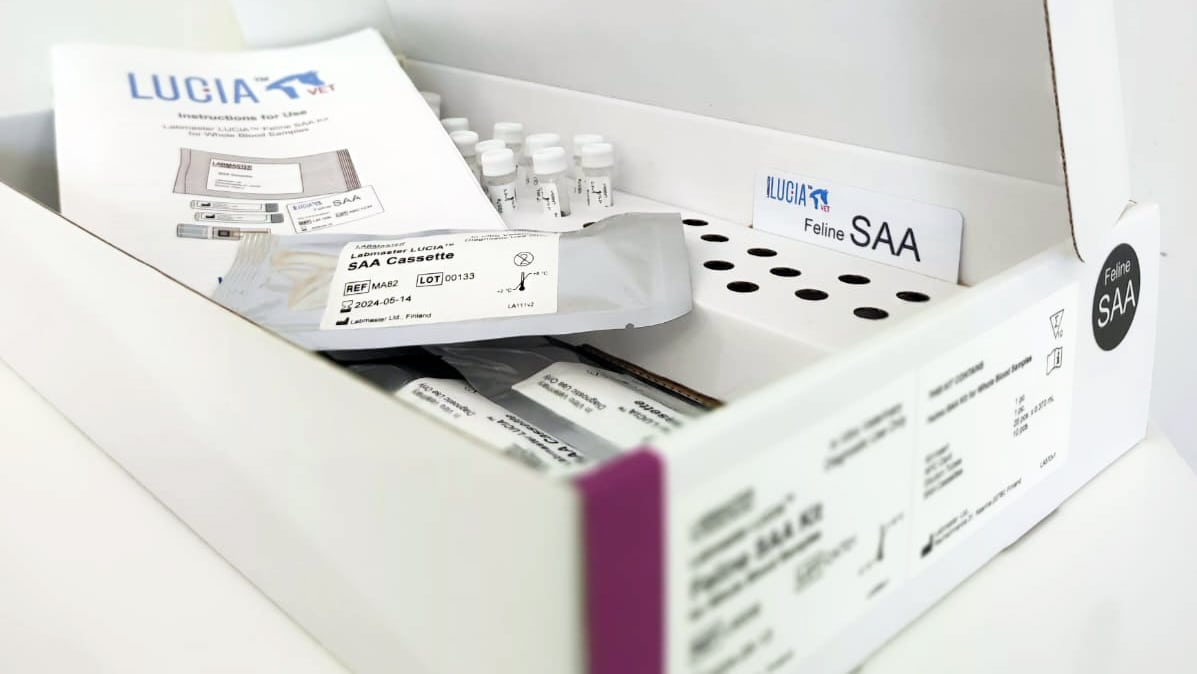
Feline Serum Amyloid A apolipoprotein (fSAA) is a significant acute phase infection marker
in cats. The fSAA concentrations alter in response to a generalized inflammatory process
(infections, immune-mediated illnesses, malignancy, and surgical intervention) (i). Scientific
studies indicate that healthy cats have very low SAA levels, from 0 to 5 mg/L. fSAA can
increase up to 100-fold from baseline levels within the first 8 to 24 hours of inflammatory
stimuli (ii). Feline SAA is a helpful general marker of inflammation to track the progression of
the condition and how well treatment is working. Since fSAA levels rapidly decline after the
inflammation is reduced its levels are utilized to track early responses to antibiotic therapy and
inform veterinarians when additional testing or treatment is required.
(i) Eckersall, P. D., & Bell, R. (2010). Acute phase proteins: Biomarkers of infection and inflammation in veterinary medicine. The veterinary journal, 185(1), 23-27. https://doi.org/10.1016/j.tvjl.2010.04.009.
(ii) Tamamoto, T., Ohno, K., Ohmi, A., Goto-Koshino, Y., & Tsujimoto, H. (2008). Verification of measurement of the feline serum amyloid A (SAA) concentration by human SAA turbidimetric immunoassay and its clinical application. The Journal of veterinary medical science, 70(11), 1247–1252. https://doi.org/10.1292/jvms.70.1247.